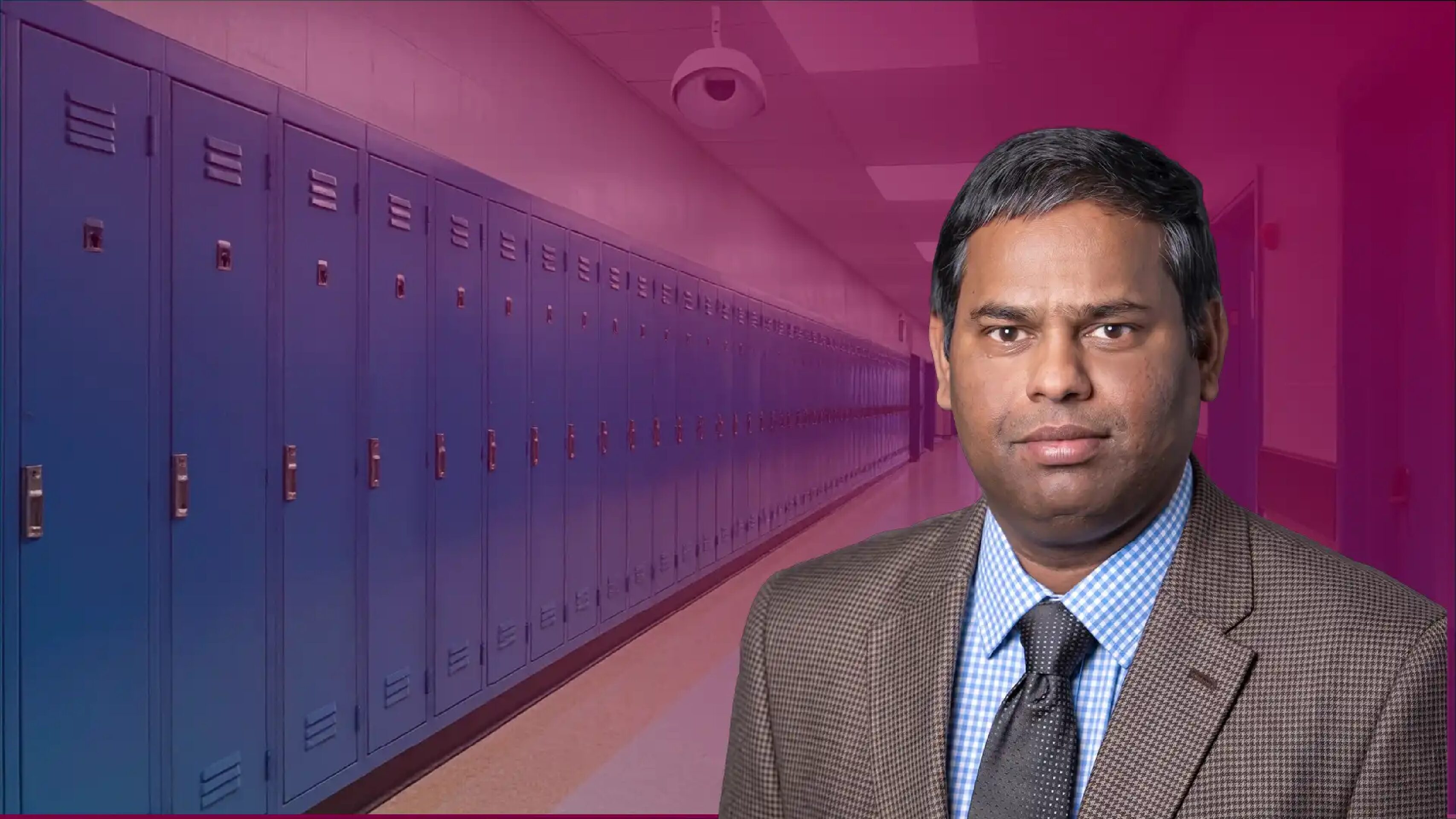
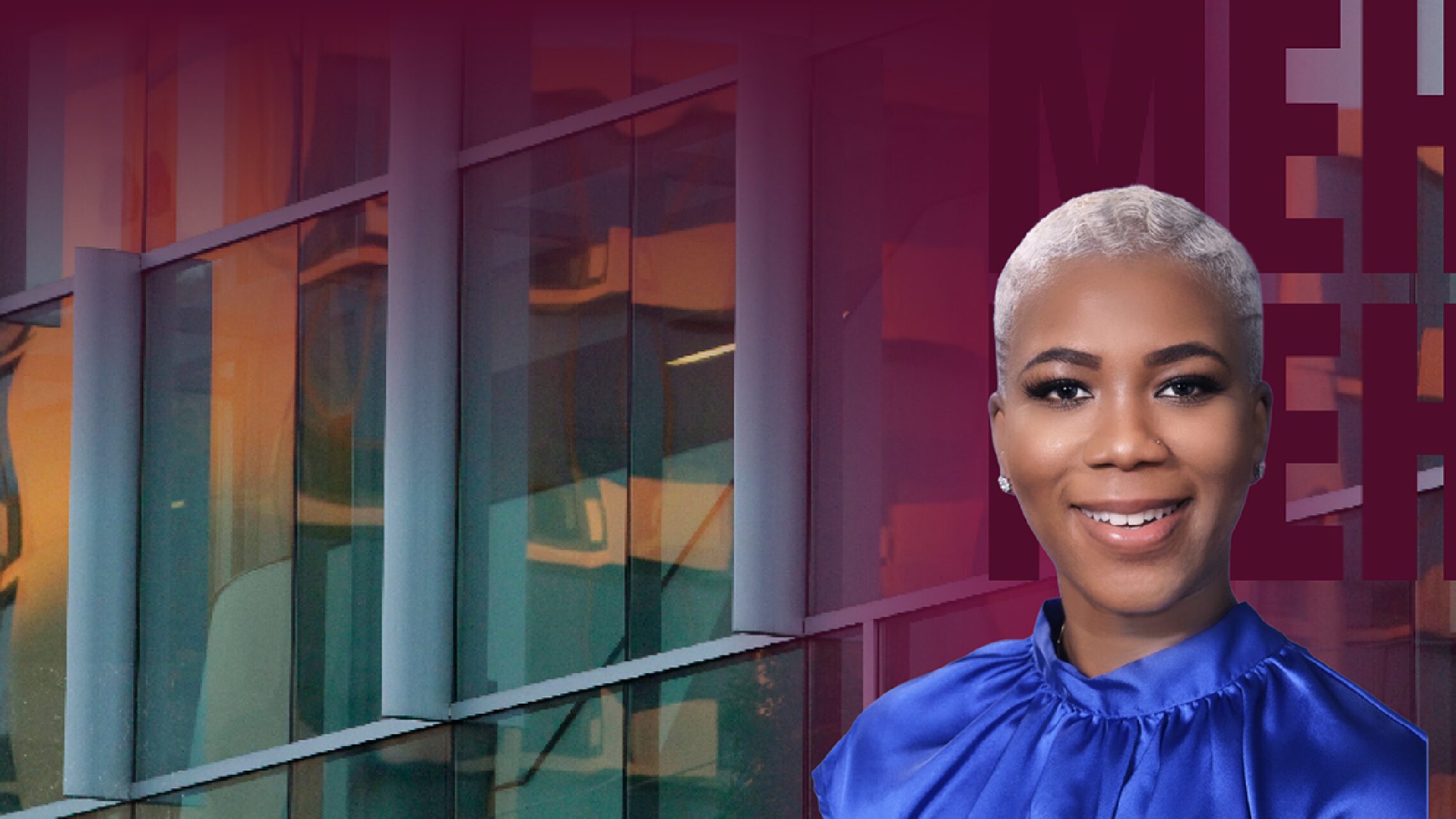
David Lockett and Courtney Quarterman, Meharry SACS Data Science Ph.D. students, have been selected for the George Mason University National Science Foundation (NSF) I-Corps NextGen Technology Cohort. The regional program will provide them infrastructure, advice, resources, networking opportunities and training to transition their research towards the marketplace or into becoming National I-Corps Team applicants.
Lockett looks forward to strengthening his entrepreneurial mindset by learning a structured customer-discovery process, and how research-based ideas can move from concept to real-world impact.
“The Mason I-Corps program emphasis on LaunchPad methods, customer interviews, mentorship and commercialization readiness aligns well with my interest in converting data-driven and technology-focused ideas into solutions with measurable societal value,” said Lockett
Quarterman seeks to conduct rigorous customer discovery that strengthens the empirical foundation of her doctoral research on Q-REACH — a Meharry-owned research venture she leads that examines whether the benefits of quantum computation and learning reach people and produce measurable outcomes.
“Q-REACH sits at the unresolved transition between offering quantum activities and producing a documented pathway outcome,” said Quarterman. “Mason I-Corps is a rare opportunity to sharpen a validated framework and instrument, deepen the qualitative evidence base for my mixed-methods design, and ensure that my scholarly contribution is not only methodologically sound but genuinely useful to the communities and institutions it seeks to serve.”
Mason I-Corps is run in conjunction with Quantum World Congress (QWC) 2026. According to the conference website, QWC “brings leaders across science, industry, government, finance, and education into one room—to unveil breakthroughs, accelerate commercialization, and forge the partnerships that move quantum from the lab into the real world.”
QWC is an exciting enrichment opportunity for Lockett and Quarterman’s doctoral studies and research.
“The experience will help me explore how quantum computing, AI and advanced data science may converge to address complex problems in areas such as biomedical research, health equity, cybersecurity and large-scale data analysis,” said Lockett. “It will also help me identify emerging research directions, potential collaborators, workforce development pathways and practical questions related to the adoption and responsible application of quantum-enabled technologies.”
The conference offers Quarterman a high-value opportunity for the ecosystem mapping, expert consultation and stakeholder interviewing that Phase 1 of her Q-REACH study requires.
“The convening brings together quantum researchers, industry leaders, workforce intermediaries, federal program officers, and education partners in one setting, which lets me gather primary evidence on how quantum activities connect — or fail to connect — to subsequent education and workforce opportunities across secondary undergraduate and university-based contexts,” said Quarterman. “Those conversations will inform my instrument development, strengthen construct validity across test beds, and refine the pathway indicators central to my dissertation.”
George Mason University is the lead institution for the immersive cohort in partnership with the NSF Mid-South I-Corps Hub. The program runs from Aug. 24 to Oct. 6, 2026.