
- Programs Overview
- Admissions and Aid
- About Us
- Research
- Research Labs and Funded Projects
- Genomics Lab
- SACS Cybersecurity Research Center
- SACS X-Trust CPS Lab
- SACS Saha RESONANCE Lab
- Multimodal Environments for Twin Research & Immersive eXperiences
- Population Health Informatics and Disparities Research Lab (PHIDL)
- Intelligent Cognitive Profiling Lab (ICP)
- Geographic Information Systems and Visualization Lab
- Data-driven Intelligence and Security for Cyber-physical Systems (DISCS) Lab
- Clinical Trials and Outcomes Innovation Lab
- SACS Cyber-AI for Sustainable Planetary Ecosystem Resilience (CASPER)
- CAP: Capacity Building for Trustworthy AI in Medical Systems (TAIMS)
- Maternal Health Informatics and Disparities (HRSA Grant UR650342)
- Publications
- Collaborate with us
- Advanced Computing and Analytics Laboratory
- Faculty Grant Proposals
- Research Services
- Resources
- Research Labs and Funded Projects
- Departments
- News and Events
- Student Life
2025 MS-CC Undergraduate Summer Research Internship
The MS-CC Undergraduate Summer Research Internship is a 10-week, paid summer internship for undergraduate students that will be hosted at Fisk University in partnership with Meharry Medical College. The internship will provide students with the opportunity to work with faculty mentors to apply computational and data-intensive research.
Participants will spend the first week of the program in-person training. The remaining nine weeks will include a combination of in-person and virtual mentorship, while students will work with other interns on a research project on the Fisk campus. At the conclusion of the internship program, they will present posters on their team research projects at one or more scientific conferences and/or events.
This internship will pay a $7,000 stipend over the duration of 10-weeks, in addition to travel to the internship, housing and meals, and field trips, and other opportunities to engage with experts in climate science.
Funding
The 2025 MS-CC Climate Science Internship is funded through a supplement to the NSF Office of Advanced Cyberinfrastructure award #2234326, “21st Century Research-Cyberinfrastructure for MSIs through the Minority Serving – Cyberinfrastructure Consortium (MS-CC): A phased approach to engage the Missing Millions.”
More information about the internship, including eligibility is available on the program webpage.
Associated Personnel
Meharry SACS faculty will enrich the program will mentor interns, providing guidance based on their experience in applications of AI and data science.
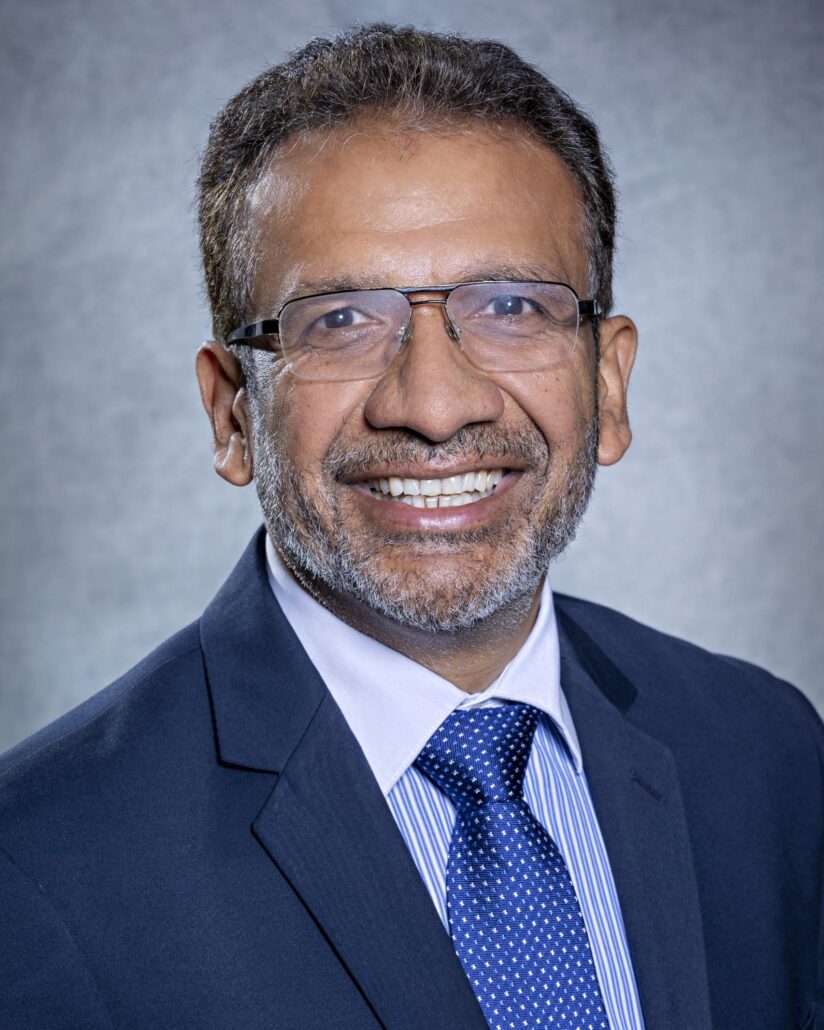
Sajid Hussain, Ph.D.
Chair and Professor, Computer Science and Data Science
Dr. Sajid Hussain’s research interests focus on applying machine learning techniques to interdisciplinary projects in cybersecurity, health care and social justice. Additionally, he explores energy-efficient communication protocols and security techniques for mobile, ubiquitous, and pervasive applications.
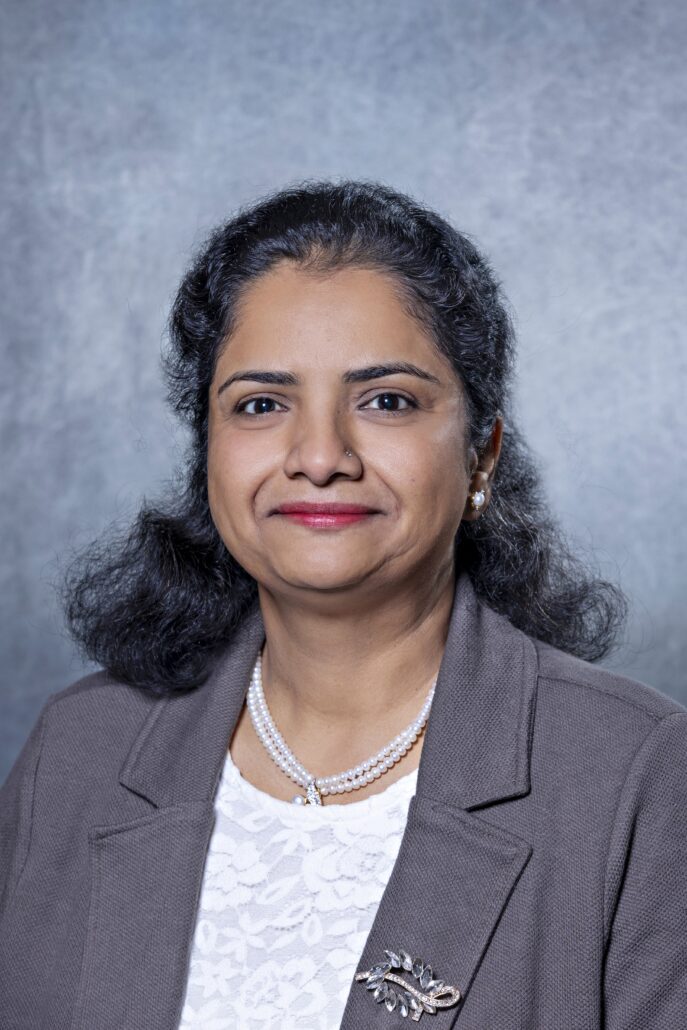
Pushpita Chatterjee, Ph.D.
Assistant Professor, Computer Science and Data Science
Dr. Pushpita Chatterjee is dedicated to advancing research in secure, trusted, and resilient distributed computing through cutting-edge and intelligent technologies for cyber-physical systems, with a focus on fintech and smart health care.
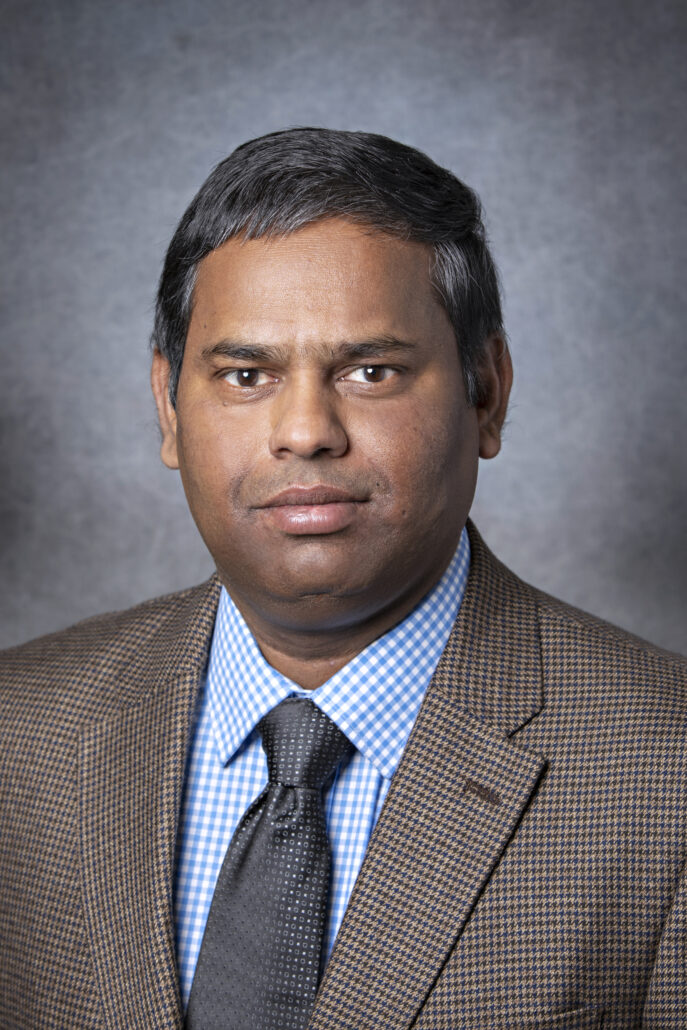
Uttam Ghosh, Ph.D.
Associate Professor of Cybersecurity
Uttam Ghosh, Ph.D., is the founder and director of the DISCS Lab, which is funded by the National Security Agency. He designed and developed the M.S. in Cybersecurity Assurance program with curricula addressing critical gaps in cybersecurity and data science education and is serving as a coordinator for the program.
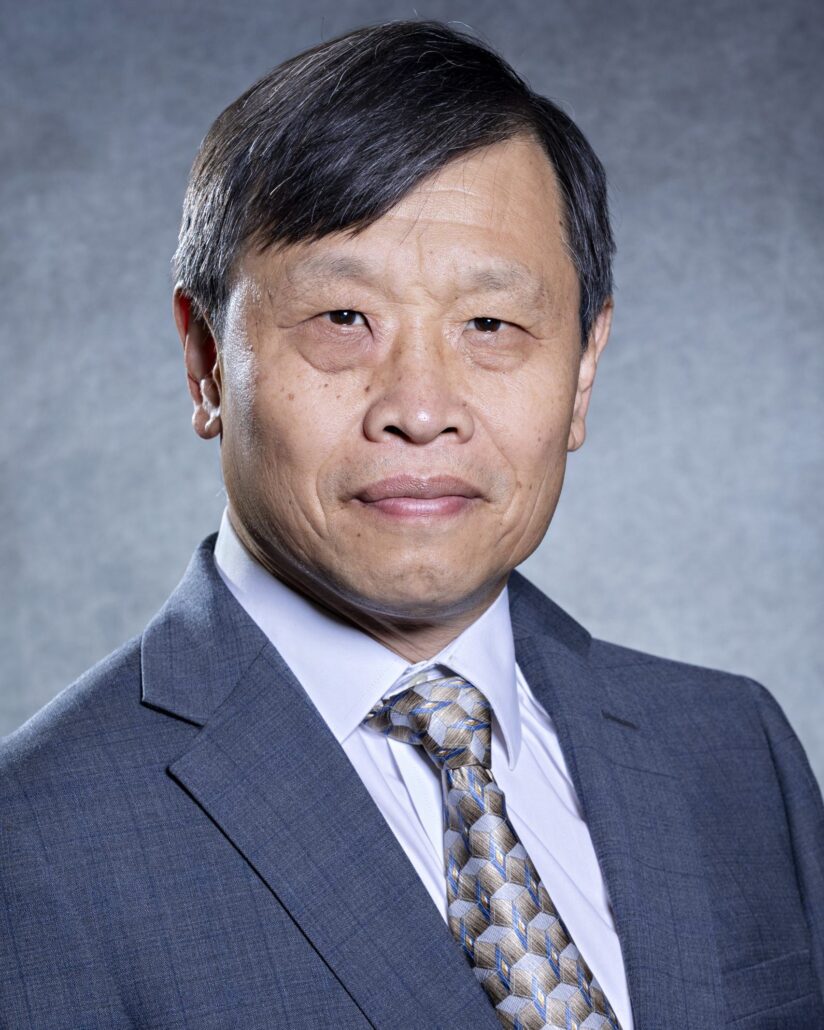
Lei Qian, Ph.D.
Associate Professor, Computer Science and Data Science
Dr. Lei Qian’s research focuses on machine learning and its application in bioinformatics and other areas. He has also studied optical computing, pure and applied logics, computer security, theory of computability and proof theory.

Asmah Muallem, Ph.D.
Assistant Professor, Computer Science and Data Science
Asmah Muallem, Ph.D. is passionate about applying AI/ML technologies to find solutions that address the evolving landscape of cybersecurity, especially the complex challenges of cyber threats in healthcare. She is also an enthusiastic participant in the multi-disciplinary collaborations on the use of AI/ML technologies for the good of society.
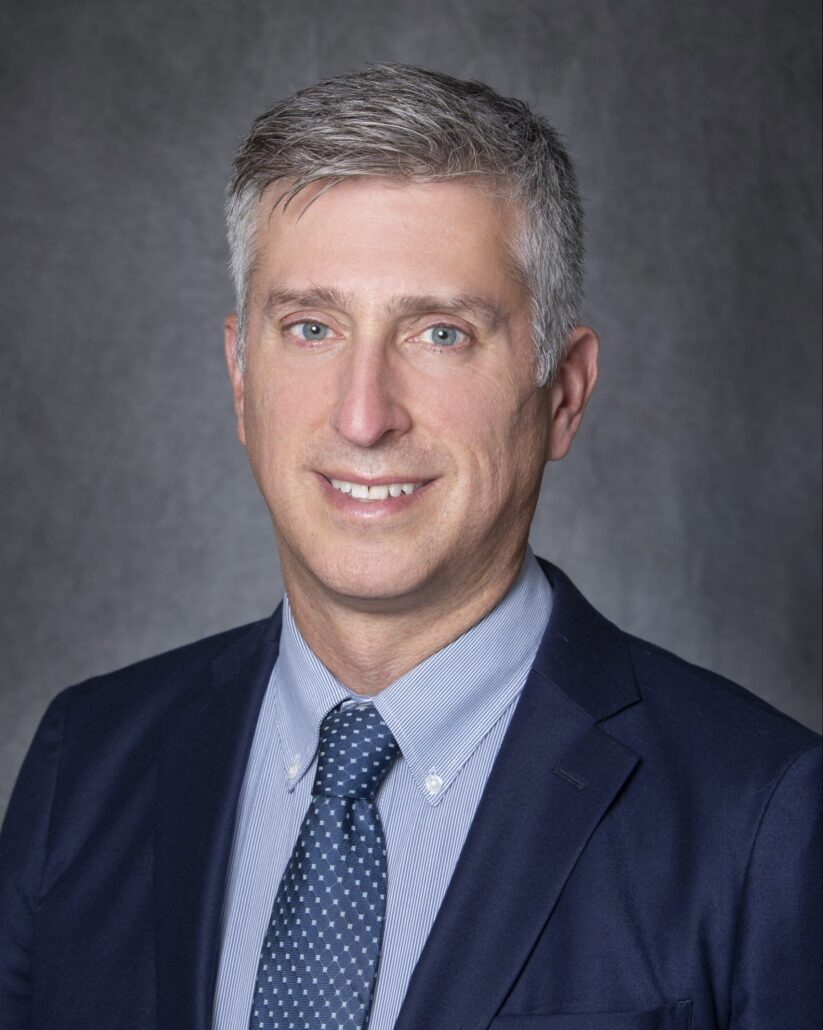
Matt Anderson
Communications and Digital Marketing Director
Matt Anderson is directs communications and digital marketing efforts for Meharry SACS, driving support for student recruitment and sharing the stories of the School’s student and faculty accomplishments in research and similar activities. His work includes managing web development for the websites for the SACS, Enterprise Data and Analytics Divisions and Meharry Medical College.
Guest Speakers
June 10
Dr. Eleanor Lopez
Plant Scientist
Workshop Details
Workshop 1: Workshop on Introduction to AI/ML
Date: June 4 – 5, 2025
Organizer: Lei Qian, Ph.D.
Description:
This workshop explores evolution, core principles, and cutting-edge advancements in artificial intelligence and machine learning. We’ll journey through the historical roots of AI, explore the fundamental concepts and algorithms that power ML, examine the current landscape of applications and advancements shaping our world, and delve into the exciting possibilities and potential future directions of this rapidly evolving field. After this workshop, students will grasp fundamental AI concepts, key algorithms, architectural approaches and emerging trends and future directions in this exciting field.
Bio: Dr. Qian is an associate professor of computer science and data science at the School of Applied Computational Sciences (SACS), Meharry Medical College. He serves as PI and Co-PI for multiple programs funded by NSF, NIH, and DOE. His research focuses on AI/ML, specifically in LLM, Agentic AI, and sensor networks. His research interests also include quantum computing and applied logic. He directs the Qualis Research lab at SACS.
Workshop 2: Workshop on Cybersecurity in the Age of AI and Large Language Models
Date: June 3, 2025
Organizer: Asmah Muallem, Ph.D.
Description: This workshop explores the intersection of cybersecurity, artificial intelligence (AI), and large language models (LLMs). Participants will learn foundational AI/ML concepts, examine the application of LLMs in threat detection and cyber defense, and analyze emerging risks such as prompt injection and data leakage. The session provides insights into how AI and LLMs are shaping cybersecurity strategies and highlights the challenges and opportunities they present in securing digital environments.
Bio: Dr. Asmah Muallem is an assistant professor of computer science and data science at the School of Applied Computational Sciences (SACS), Meharry Medical College. She is part of the Qualis Research lab at SACS. She was recently a Machine Learning Engineer and prior to that has worked in various roles of IT for several years.
Workshop 3: Workshop on Prompt Engineering for GPT/LLM
Date: June 3, 2025
Organizer: Puspita Chatterjee, Ph.D.
Description: This workshop provides an introduction to the fundamentals of prompt engineering for Generative AI (GenAI). Crafting effective prompts is a key skill for leveraging the full potential of GenAI tools. Participants will gain a foundational understanding of how GenAI works, learn core principles of prompt design, and explore various prompting techniques. By the end of the workshop, attendees will be equipped with the skills and confidence to apply prompt engineering strategies effectively across a range of GenAI platforms.
Bio: Dr. Pushpita Chatterjee is an assistant professor of computer science and data science at the School of Applied Computational Sciences (SACS), Meharry Medical College. She leads SACS EARTH (Ecological AI for Resilience, Technology, and Health), an initiative focused on harnessing artificial intelligence and immersive technologies to promote a resilient, sustainable and healthier planet. Dr. Chatterjee also serves as co-principal investigator for the NIH-funded summer research program. A senior member of IEEE, she directs the METRIX Lab, where her research team explores advanced applications of augmented, virtual and extended reality to address challenges in planetary health, resilience and sustainable development.
Workshop 4: Empowering AI for Social Good: Exploring Machine Learning Applications in Ecology, Healthcare, and Beyond
Date: June 9 – 10, 2025
Organizer: Courtney Quarterman and David Lockett
Description: This session will empower undergraduate students to explore cutting-edge AI and machine-learning tools through hands-on projects. Participants will build custom image classifiers, experiment with neural networks, and train models using platforms like Teachable Machine, TensorFlow Playground, and Google AutoML.Activities include wildfire detection, sentiment analysis, healthcare applications and language translation. By leveraging real-world datasets and tools, students will gain practical experience in AI for social good while enhancing their technical skills in machine learning and deep learning.
Courtney Quarterman: Courtney Quarterman is a leader in STEM, computer science, and AI education with more than two decades of experience. She has spearheaded strategic partnerships, driven innovation in AI-powered educational tools, and led impactful programs for underrepresented communities. A Ph.D. student in Data Science, Courtney excels in storytelling, strategic planning and product design.
David Lockett: David Lockett has more than 10 years of extensive experience as an educator and innovator currently serving as the Co-PI for the SACS Data Science Academy at the Meharry Medical College School of Applied Computational Sciences (SACS). In this role, he leads a project combining robotics and big data to engage students in grades 9-12 in data science through hands-on STEM activities. Lockett has served as a middle school STEM and computer science teacher, and a NASA Einstein Fellow. He is a recipient of the ISTE STEM Professional Learning Network Award and collaborates on the Innovators Developing Accessible Tools in Astronomy (IDATA) project. Lockett holds degrees from Fisk University, Lipscomb University. As a Ph.D. candidate in Data Science, he is committed to promoting computer and data science education and opportunities for students in the scientific community.
Workshop 5: A Deep-Dive into Python and AI
Date: June 11 – 12, 2025
Organizer: Loni Taylor

Description: This is a beginner-friendly workshop introducing participants to the fundamentals of Python programming and the basics of artificial intelligence. Attendees will learn essential coding concepts, write their first Python scripts, and explore how AI technologies like machine learning and large language models work. They will learn basic building steps and the typical machine learning process. Through interactive exercises and real-world examples, the workshop aims to build a strong foundation for further exploration in tech and AI.
Bio: Loni Taylor has 20 years of experience in education, project management, computational analysis, data systems engineering and technology. She is an accomplished technology leader and focuses on driving digital transformation. A certified Project Management Professional (PMP) and a Certified Education Technology Leader (CETL), she specializes in strategic planning, systems integration and innovative tech solutions. She is passionate about leveraging technology to create meaningful impact. Loni is currently serving as a data analysis manager in K-12 education, utilizing technology in multidisciplinary work spanning predictive modeling, wireless sensor networks and cloud-native data infrastructures.
Loni is a Ph.D. candidate in biomedical data sciences at Meharry Medical College. Prior to Meharry, she received a B.S. degree in computer science from Grambling State University (2010) and a M.S. degree in computer science (2015) from Texas Southern University. Her current research centers on the development and optimization of computational tools for biomarker discovery, with an emphasis on machine learning integration, scalable analytics pipelines and translational data science. Current research explores improvements in high-throughput data processing and algorithmic efficiency for clinical informatics. Her research focus is in task automation and adaptive learning. She has expertise in machine learning and technology integration.
Workshop 6: From Atoms to Quantum Computers: A Hands-on Workshop
Date: June 16 – 17, 2025
Organizer: Hanna Terletska, Ph.D.
Description: This interactive workshop offers a beginner-friendly introduction to quantum computing, combining foundational concepts in quantum science with practical coding experience. Students will learn the very basics of quantum science and explore qubits, quantum gates and simple quantum algorithms through guided exercises using real quantum programming tools such as IBM Qiskit. Designed for students across STEM disciplines, the workshop emphasizes hands-on learning and aims to make the core principles of quantum computing clear and approachable while showcasing its emerging role in science and technology.
Bio: Hanna Terletska is an associate professor of physics at Middle Tennessee State University (MTSU) and the head of the Quantum@MTSU Initiative. She is a leading researcher in quantum materials, quantum information and quantum computing, and serves as principal investigator on multiple NSF and DOE-funded projects, including an NSF CAREER award. Dr. Terletska is also a nationally recognized leader in quantum education and workforce development, spearheading the development of interdisciplinary quantum curricula and building partnerships to expand access to quantum science training in the Middle Tennessee region.
Workshop 7: Mapping Social Determinants of Health and Environmental Toxicology
Date: June 18 – 19, 2025
Organizer: Michael Paul and Victoria Franklin
Description: We will introduce basic fundamental mapping concepts and spatial analysis techniques, demonstrating how to apply these skills to demographic and environment-related datasets. The project will focus on assessing potential Social Determinants of Health (SDOH) disparities, particularly zip code 37208 in Davidson County, and surrounding areas. Best practices for data manipulation, analysis, processing and joining techniques will be discussed. Students will apply techniques on data layers to analyze, visualize and interpret patterns and relationships between demographic data and environmental data. These skills will allow them to assess social and health disparities and evaluate environmental impacts on public health.
Bio:
Michael Paul: Michael Paul has more than 15 years of experience in public health and mentoring students interested in the STEM field and more than 10 years of experience in geospatial information systems (GIS) mapping. He is currently an epidemiologist with the Tennessee Department of Health, Office of Primary Prevention, has a masters of science in Public Health, and is currently pursuing a Ph.D. in Data Science at Meharry SACS.
Victoria Franklin: Victoria Franklin, a Genomics Epidemiology Fellow with ORAU, Department of Defense, United States Air Force School of Medicine (USAFSAM), has more than 15 years of experience in STEM and arts advocacy, youth mentorship and entrepreneurship. She holds a Masters of Science in applied geospatial information sciences and is pursuing a Ph.D. in Biomedical Data Science at Meharry SACS.
Workshop 8: Ask Me Anything on Cyberinfrastructure and Cybersecurity
Date:
Organizer: Uttam Ghosh, Ph.D.
Description: This session offers a dynamic, open platform for participants to engage directly with cybersecurity experts on a wide range of topics. Attendees are invited to ask questions related to core cybersecurity concepts, threat mitigation strategies, emerging risks, and best practices for securing digital assets. Whether you’re looking for insights on protecting personal data, navigating the complexities of enterprise security, or understanding the latest cyber threats, this session provides personalized guidance and expert perspectives to deepen your cybersecurity knowledge.
Bio: Dr. Uttam Ghosh is an associate professor of cybersecurity and the founder and director of the NSA-funded DISCS lab in computer science and data science at Meharry Medical College in Nashville, Tenn. He also represents his department on the Meharry Senate and serves on the Research Advisory Council (RAC). His research has received funding from organizations including NSF, NSA, DoD, DoE, NASA, South Big Data Hub and TMCF. He has co-edited and published nine books and authored more than 150 papers in prestigious international journals and conferences. Dr. Ghosh is recognized among the top two percent of cited scientists in the Stanford-Elsevier list of the world’s most-cited scholars. Currently, he is working with the Coalition for Health AI (CHAI) to develop guidelines for credible, fair and transparent health AI systems. His primary research interests include cybersecurity, machine learning, IoT, and cyber-physical systems. Dr. Ghosh is a senior member of IEEE and a member of ACM.
Workshop 9: R-ise & Analyze with R Programming
Date:
Organizer: La Chiara Landrum
Description: R-ise & Analyze is a fast-paced, beginner-friendly two-day workshop that is designed to launch the participants into the world of R Programming, data analytics, and the power of storytelling with statistics. Whether someone is brand new to coding or just R-curious, this workshop will show them not only how to code in R – but also how data shapes the world around us. On Day one, participants will build a foundation in R programming by learning how to explore, wrangle and visualize real-world data. On Day two, they will apply those skills in a live team-based project where they will uncover insights, build visualizations and reflect on how data can inform or mislead-decision making in our society.
Throughout the workshop, we will discuss the ethical use of data, the power (and danger) of visual storytelling, and how understanding statistics is essential in a world fueled by algorithms, news feeds and dashboards.
No prior programming experience required – just curiosity, critical thinking, and willingness to dive in.
Bio:
Workshop 10: Ayurveda and Yoga Workshop by Nourishing Wellness
Date: July 18, 2025
Organizer: Thana Numan
Description: Living in a high-tech, fast-paced world, most people rarely get to slow down and experience living in the moment, in sync with the breath, and with nature. Ayurveda and Therapeutic Yoga give us the tools to experience precious moments using breath, movement, and the qualities of nature. With a rise in demand and curiosity around natural, personalized, and preventative care, this retreat will give the students of Meharry and Fisk University Summer Program the tools to explore these ancient traditions experientially.
(Sessions: 9am – Arrival/ Tea, 9.30am- Welcome Intro to Therapeutic Yoga
10 a.m. Yoga + Meditation
11 a.m. Reflections
11:30 a.m. Exploring the Qualities in Nature as Medicine
12:30 p.m. Lunch
1:30 p.m. Group Discussions on Qualities in Nature as Medicine
2 p.m. Introduction to Ayurveda
3 p.m. Living in tune with nature, daily and seasonal herbs, food, music, oils
4 p.m. Closing yoga practice
4:30 p.m. Reflections- what will you take with you?
Bio: Thana is a licensed holistic skincare consultant and a certified ayurvedic wellness counselor. Thana has completed a three-year 1,000 hour yoga therapy training in the Viniyoga tradition through Yoga Well Institute, an International Association of Yoga Therapist (IAYT) accredited program. Thana is a trainee of Vanderbilt’s Health Coaching Program, a program approved by the National Board of Health & Wellness (NBHWC).
https://nourishingwellness.org

Workshop 11: Web Development Workshop
Organizer: Matt Anderson, Quaker Manuel, Ankith Cirgir
Description:
Bio:
Workshop 12: Workshop on Cyberinfrastructure and Blockchain
Organizer: Debashis Das, Ph.D.
Description: The targeted workshop on cyberinfrastructure and blockchain will show how these technologies can be combined to create more secure, resilient and efficient digital systems. The workshop will be on core concepts of decentralized ledgers, cryptographic security, and distributed computing, and how they can be applied to address cybersecurity challenges in various fields like the Internet of Things and cloud computing using a smart, contract-based automation mechanism.
Bio: Dr. Debashis Das is currently working as a postdoctoral associate in the Department of Computer Science and Data Science in the School of Applied Computational Sciences at Meharry Medical College. Previously, he was an assistant professor in the Department of Computer Science and Engineering at Narula Institute of Technology, WB, India. He received his Ph.D. in Engineering from the University of Kalyani, India, in 2023. Dr. Das has more than 50 publications in various peer-reviewed journals and conferences. He is a volunteer reviewer of the IEEE Journal of Biomedical and Health Informatics and Future Generation Computer Systems, Elsevier. He also served as a reviewer in reputed peer-reviewed journals, such as IEEE TVT, IoTJ, and TITS. His research interests include cybersecurity, blockchain technology, and artificial intelligence (ML, FL, DL, LLM, Gen-AI). He has performed as an invited TPC member or chair for many international conferences, like CICBA, BCCA, CCGRID, ICDCN, IEEE STP-CPS, ICSPIS, ISORC, IoST, etc. He is a member of IEEE.
- Majors and Programs
- Residency
- Schools
- School of Applied Computational Sciences
- Programs Overview
- Admissions and Aid
- About Us
- Research
- Research Labs and Funded Projects
- Genomics Lab
- SACS Cybersecurity Research Center
- SACS X-Trust CPS Lab
- SACS Saha RESONANCE Lab
- Multimodal Environments for Twin Research & Immersive eXperiences
- Population Health Informatics and Disparities Research Lab (PHIDL)
- Intelligent Cognitive Profiling Lab (ICP)
- Geographic Information Systems and Visualization Lab
- Data-driven Intelligence and Security for Cyber-physical Systems (DISCS) Lab
- Clinical Trials and Outcomes Innovation Lab
- SACS Cyber-AI for Sustainable Planetary Ecosystem Resilience (CASPER)
- CAP: Capacity Building for Trustworthy AI in Medical Systems (TAIMS)
- Maternal Health Informatics and Disparities (HRSA Grant UR650342)
- Publications
- Collaborate with us
- Advanced Computing and Analytics Laboratory
- Faculty Grant Proposals
- Research Services
- Resources
- Research Labs and Funded Projects
- Departments
- News and Events
- Student Life
- School of Dentistry
- School of Global Health
- School of Graduate Studies
- School of Medicine
- Library and Archives
- School of Applied Computational Sciences
- Office of Memphis Programs
- Continuing Education
- Division of Academic Affairs
- Library